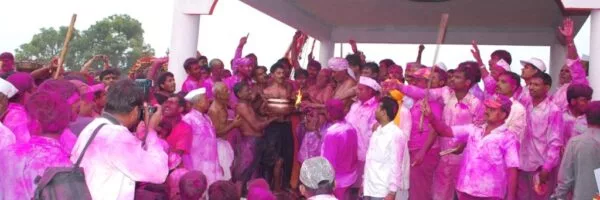
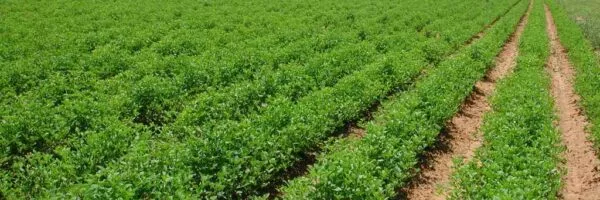
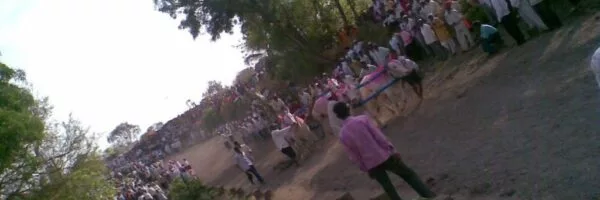
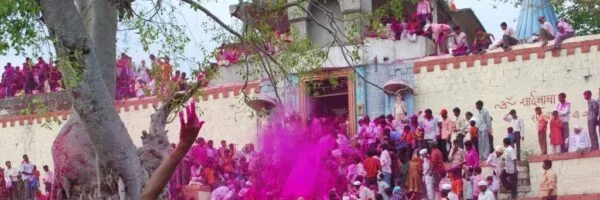
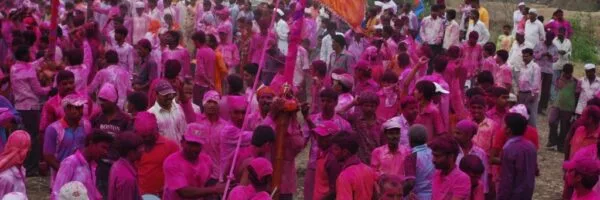
Bhood is a village in Khanapur tehsil of Sangli district, Maharashtra, India, near the city of Vita. It is known for the Bhoodsiddhnath Temple. Lord Bhoodsiddhnath is the Gramadevata (village deity) of Bhood. According to the 2011 Census, Bhood had a population of 1,889. Agriculture is a major occupation, and some residents work in gold refining and jewellery. Bhood received the Nirmal Gram Puraskar under the Sant Gadge Baba Gram Swachhata Abhiyan. The annual festival of Lord Bhoodsiddhnath takes place around Chaitra Krishna Ashtami and celebrates the deity’s wedding. The three-day celebration includes bullock-cart races near the temple on the first day. The Sasankathi (a sacred long pole) and the Diva (a sacred lamp) are highlights of the second day. On the third day, Kusumba (a type of bhang) is offered as prasadam. The 2011 Census recorded 898 males and 991 females across 455 households, or 1,104 females per 1,000 males. Bhood is home to people from various communities; Marathas and Kadam-Patils are among the major communities. Marathi is widely spoken. The village’s gold-refining and jewellery businesses have led many residents to settle elsewhere in India. The 1991 Census recorded a population of 1,395. Bhood has a hot, semi-arid climate with three main seasons. Summer lasts about five months, from mid-February to June, with temperatures typically between 35 °C (95 °F) and 40 °C (104 °F), and sometimes higher during peak summer. May is usually the hottest month, with an average daytime temperature of about 37 °C (98.6 °F). Winters are short, with temperatures generally between 15 °C (59 °F) and 21 °C (69.8 °F). December is typically the coldest and driest month, with relative humidity sometimes as low as 30%. Rainfall is scarce and occurs mainly during the monsoon, from mid-June to September. Average annual rainfall is about 25.5 inches (647.7 mm). September typically receives the most rainfall, while July has the most rainy days. |

Copyright Notice• Privacy Policy• Disclaimer• Terms and Conditions
